
Should you eat back exercise calories?
4 min read · Last reviewed

Sometimes, but not all of them and not blindly. Exercise calories are real, but the numbers on watches and gym machines are rough, and the body often compensates for extra activity in ways you cannot see. Log the exercise, add back a portion of it, and judge the result over a few weeks.
Exercise burns energy, but the maths is not one-to-one
It is true that a hard session uses more energy than sitting still. It is not true that every calorie your watch reports disappears from your fat stores in a straight line.
A large study by Pontzer and colleagues measured total daily energy expenditure in 332 adults across five populations. Physical activity was positively related to energy expenditure at low and moderate levels, but the relationship flattened at higher levels. People who were very active did not burn as much extra as a simple add-on model would predict.
The authors describe this as a constrained model: the body adapts to higher activity by reducing energy spent on other physiological tasks. In everyday terms, you may move less later, fidget less, or simply feel hungrier.
The tracker number is an estimate
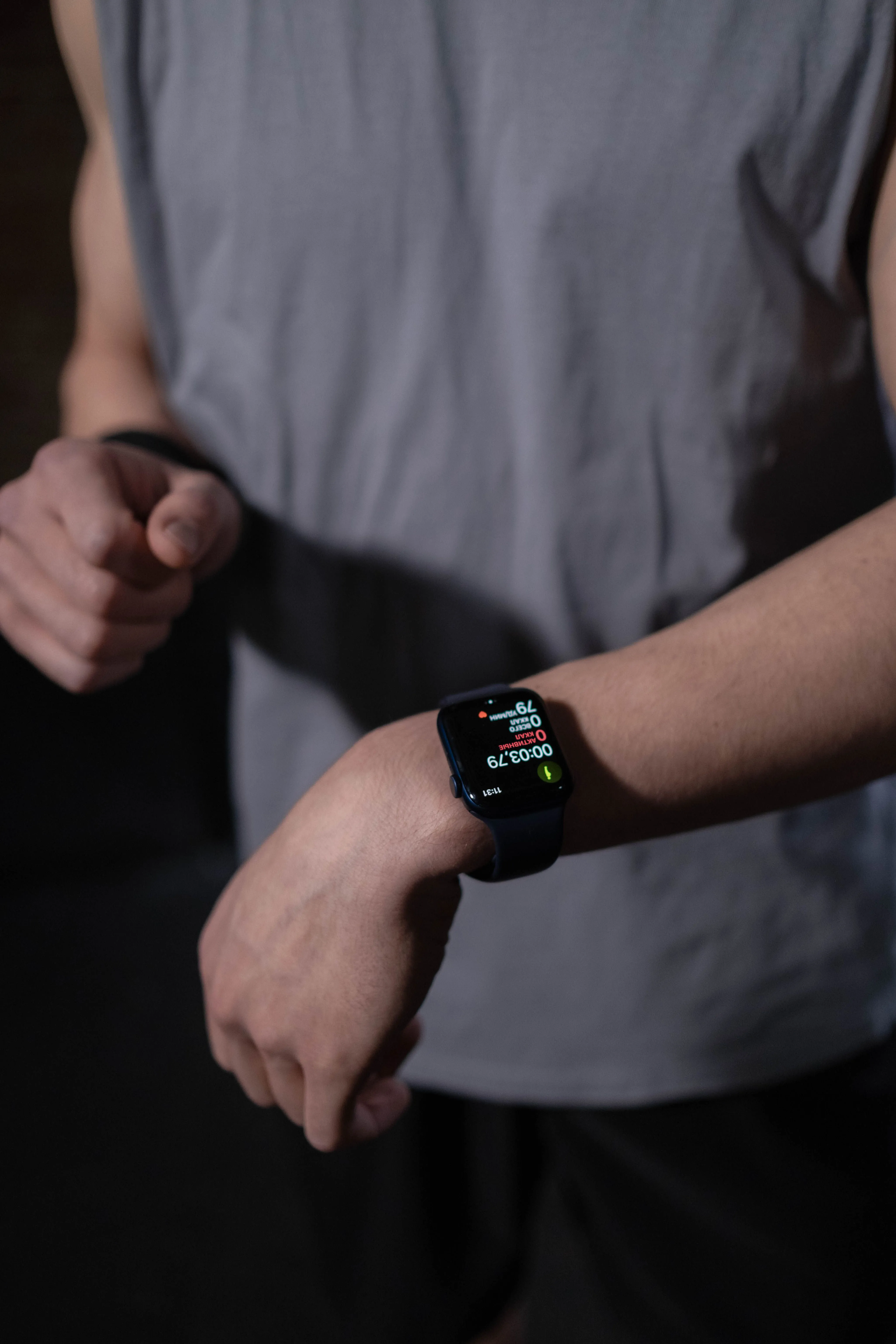
Wrist-worn devices are much better at measuring heart rate than at estimating energy expenditure. In a Stanford study of seven popular devices, no device achieved an error below 20% for energy expenditure. Median error during walking was about 32%.
The same paper offers a useful reality check: 10,000 steps have been observed to represent anywhere from about 400 to 800 calories, depending on a person’s height and weight.
Gym machines have the same problem. They use average equations, not measurements of you. A 70 kg person and a 100 kg person can do the same session and get very different numbers, and neither machine knows your fitness or how much you actually worked.
Who should eat them back
There is no single rule, but the decision usually comes down to three things.
Your goal. If you are trying to lose fat and you have plenty of stored energy, eating back every exercise calorie can erase the deficit you worked for. If you are training hard for a race or a sport, under-eating can hurt recovery and performance.
How hard you train. A gentle walk is easy to absorb. Two hours of hard cycling is not. The harder and longer the session, the more reasonable it is to fuel it.
How lean you are. The leaner you are, the less room you have for a large deficit without affecting hormones, sleep and training.
The NIDDK notes that physical activity helps with weight loss and maintenance, and NICE encourages adults to be active even if they do not lose weight, because of the other health benefits. Exercise is worth doing for reasons beyond the calorie count.
A simple way to handle it
Start with a budget that does not include exercise. Then:
- Log the session once, using the lower end of the estimate.
- Add back half of it, not all of it. Trimlo does this for you: it counts half of every logged workout by default, and you can change the share in Settings.
- Keep that rule for two to three weeks.
- Adjust based on weight, energy and performance.
For example, if a run is estimated at 400 calories, add back about 200. If you are losing faster than planned, feeling flat, or struggling in training, add a little more. If the scale is not moving and you are eating back every session, add less.
The exact percentage matters less than being consistent.
Avoid double counting
It is easy to log the same activity three times: once as a walk, once as steps, and once as a workout. Pick one method and stick to it.
It is also easy to overstate intensity. A leisurely dog walk is not the same as a brisk walk for exercise, and the MET values reflect that difference. The Compendium of Physical Activities, which supplies many of these estimates, is a population average, not a measurement of your session.
Trimlo adds the share of logged exercise you chose in Settings to that day’s budget. The number is still an estimate, so log the session honestly and treat the added calories as approximate.
When to eat them all back
If you are not trying to lose weight, or you are in a maintenance phase, eating back exercise calories is a reasonable way to keep your intake steady. If you are pregnant, breastfeeding, recovering from illness, or training for a demanding event, talk to a dietitian or doctor before running a deficit at all.
Read next

Sources
- NIDDK: Eating & Physical Activity to Lose or Maintain Weight
- Pontzer et al., Constrained total energy expenditure and metabolic adaptation to physical activity in adult humans (Curr Biol, 2016)
- Shcherbina et al., Accuracy in wrist-worn, sensor-based measurements of heart rate and energy expenditure in a diverse cohort (J Pers Med, 2017)
- NICE guideline NG246: Overweight and obesity management, physical activity and diet
- 2024 Adult Compendium of Physical Activities